
Jolis bricolages de Noël avec de la peinture pour les enfants
Table des matières Introduction Le monde enchanteur des bricolages de Noël et le développement de l'enfant Pourquoi la peinture est le support idéal pour la créativité des fêtes Préparation de votre station de peinture festive Un...
 Por Speech Blubs Team•22 dic 2025•19 min.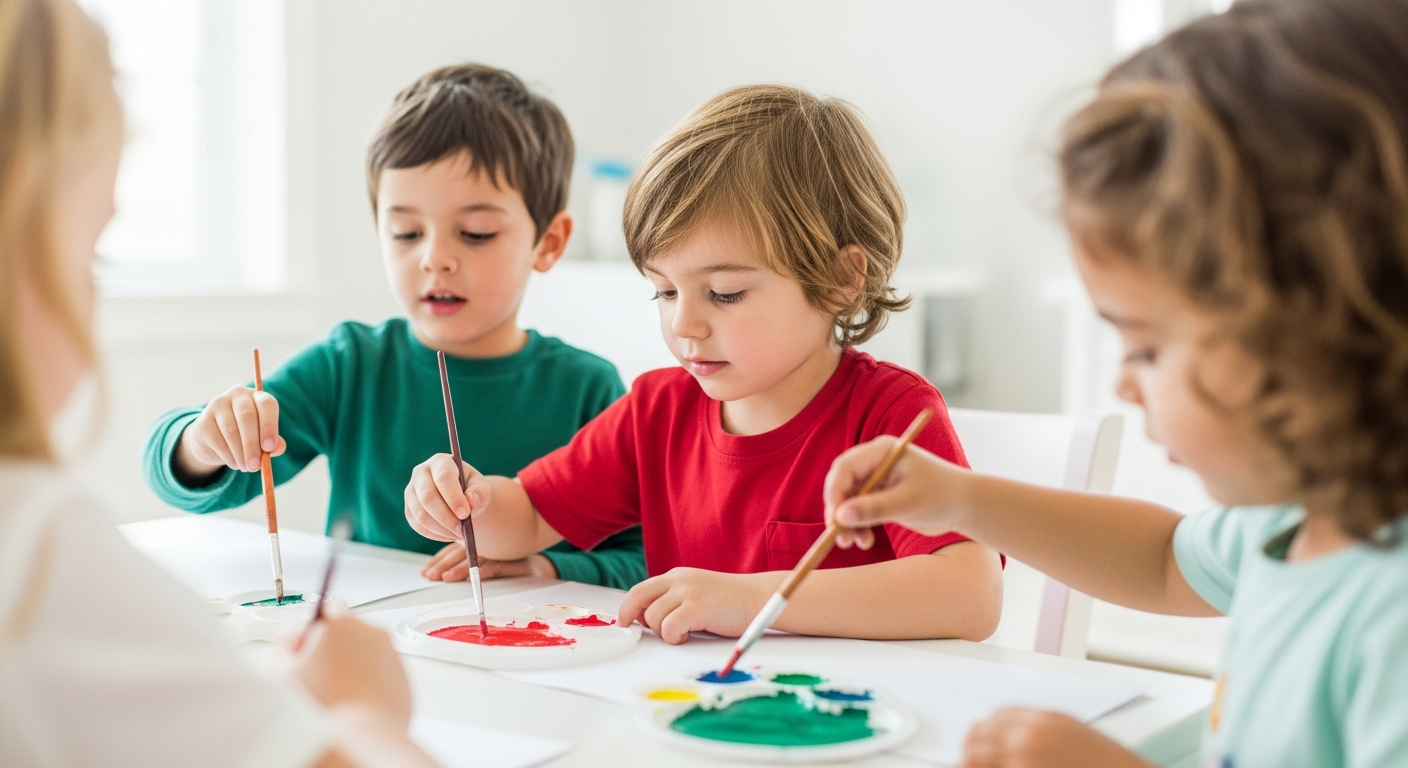
Table of Contents
- Introduction
- The Wonderful World of Christmas Crafts and Your Child's Development
- Why Painting is a Fantastic Way to Get Creative This Holiday
- Getting Your Christmas Painting Station Ready
- Lots of Christmas Painting Ideas for Kids
- Turning Craft Time into Talking Time
- How Speech Blubs Can Help Your Child Find Their Voice
- Being Realistic and Enjoying the Process
- Unlock Your Child's Potential with Speech Blubs: Our Prices and What You Get
- Conclusion
- Frequently Asked Questions
Introduction
As Christmas time gets closer, there's a special feeling in the air that makes us all want to get cozy and spend time with family. For many, that means decorating, baking, and doing fun Christmas crafts together. Have you ever seen how focused a child is when they pick out a color for their ornament? Or heard their excited chatter as they tell you about their handprint Santa? These aren't just fun moments – they're chances to connect, be creative, and help your child learn to communicate.
This blog post is here to help you turn simple art supplies into happy holiday memories and learning experiences. We'll share lots of fun painting ideas that also help your child with their communication and fine motor skills. Our goal is to give you ideas that easily fit into your family's holiday traditions, turning regular craft time into special moments of growth and connection. By the end, you'll see how these festive activities can help build your child's confidence in communicating, especially when paired with helpful tools like Speech Blubs.

The Wonderful World of Christmas Crafts and Your Child's Development
Christmas time is a great time for kids to explore, create, and express themselves. Doing Christmas crafts, especially painting, is more than just making something pretty. It's full of benefits for your child's development, helping them with things like fine motor skills, thinking, sensory exploration, and expressing their feelings.
Think about it: a child picks up a paintbrush, dips it in bright red paint, and carefully puts it on a wooden ornament. This simple action helps with hand-eye coordination, grip strength, color recognition, and planning a creative idea. Every stroke is like a mini-workout for their muscles and a boost for their problem-solving skills.
Besides physical and mental benefits, Christmas crafts also help children feel proud of what they make. When a child shows off their handmade reindeer or sparkly snowflake, they're sharing a piece of their imagination. This positive feeling is great for building self-esteem and encouraging them to keep being creative.
At Speech Blubs, we know that every child has their own unique voice and lots of ideas to share. Our goal is to help children "speak their minds and hearts," and we think that fun, hands-on activities like painting Christmas crafts are a great way to build communication skills in a natural and joyful way. These moments give children a chance to describe, ask questions, and connect with others, which goes perfectly with our science-backed approach to speech development.
Why Painting is a Fantastic Way to Get Creative This Holiday
There are so many craft options, but painting is especially great for kids during the holidays. It's easy to do and appeals to their senses, making it a hit with kids of all ages, from toddlers to older children.
- Sensory Exploration:Painting is a treat for the senses. The bright colors stimulate their eyes, and the cool, wet paint feels great on their fingers or as they brush it across paper. This sensory experience is important for brain development and helps children understand the world around them. Different types of paint – thick tempera, smooth watercolors, or squishy finger paints – offer different sensory experiences, making it even more fun and educational.
- Freedom of Expression:Unlike some crafts that need careful cutting or folding, painting gives kids lots of freedom. There's no "right" or "wrong" way to paint a snowflake or Santa. This encourages them to be creative without worrying about making mistakes, which helps them feel good about expressing themselves. They can mix colors, try different strokes, and create their own unique masterpieces that show their personality.
- Fine Motor Skill Development:Holding a paintbrush, squeezing glitter glue, or carefully dabbing paint all help develop fine motor skills. These actions strengthen the small muscles in their hands and fingers, which are important for things like writing, buttoning clothes, and feeding themselves. As children get better at controlling their movements, their paintings become more detailed, and they feel more confident in using tools.
- Cognitive Benefits:Painting involves making decisions (What color next? Where should this go?), solving problems (How do I make green? How do I fix this smudge?), and understanding cause and effect. It also helps with color recognition, shape identification, and understanding space. When children paint a scene, they're organizing information in their mind and putting it onto a physical surface.
- A Foundation for Communication:Most importantly for us at Speech Blubs, painting naturally helps with language development. As children paint, they can describe what they're doing, the colors they're using, and the ideas behind their artwork. This interaction with you gives them great chances to learn new words, practice sentences, and develop their storytelling skills. We'll talk more about this soon.
Getting Your Christmas Painting Station Ready
Before the fun begins, a little preparation can make sure your painting experience is fun, safe, and not too messy. Gather your supplies and create a welcoming space for your little artists.

Essential Supplies for Your Crafting Adventure
- Paints:Choose washable, non-toxic paints. Tempera paints are great for general crafting, acrylics work well for more permanent projects (like ornaments or wood), and finger paints are perfect for younger children to explore their senses. Think about a Christmas color theme: reds, greens, whites, silvers, and golds.
- Brushes and Applicators:Different sized brushes encourage different painting techniques. Sponges, cotton balls, Q-tips, and even fingers can also be great painting tools.
- Surfaces to Paint On:
- Paper (construction paper, cardstock, watercolor paper)
- Cardboard (cut from old boxes)
- Clear plastic or glass ornaments (unbreakable ones are best for younger kids)
- Wooden slices or shapes
- Pinecones (collected from nature)
- Salt dough cut-outs
- Rocks (smooth, flat ones)
- Small canvases
- Protection:
- Aprons or old shirts for the kids (and adults!).
- Newspaper, old sheets, or a plastic tablecloth to protect your workspace.
- Wipes and paper towels for quick clean-ups.
- Embellishments (Optional, but highly encouraged for extra sparkle!):
- Glitter (biodegradable, if possible!)
- Googly eyes
- Pom-poms
- Pipe cleaners
- Ribbons, yarn
- Child-safe glue
- Stickers (holiday themed)
Creating an Inspiring Workspace
Pick a specific area for crafting. A kitchen table covered with a drop cloth works great. Make sure there's good lighting and enough space for each child to spread out their materials. Having all the supplies easy to reach but organized helps keep the creativity flowing and avoids interruptions. Remember to fill a cup with water for rinsing brushes and have a paper towel nearby for drying them.
Lots of Christmas Painting Ideas for Kids
Now for the fun part! Here are some great Christmas painting ideas that your kids will love, each offering a chance to express themselves artistically and develop their language skills.
1. Dazzling Painted Ornaments
Ornaments are classic Christmas crafts, and painting them lets you make them truly your own.
- Swirl Painted Ornaments:Get clear plastic or glass ornaments (unbreakable ones are safer for kids). Let children choose 2-3 colors of acrylic paint. They can pour a little of each color inside the ornament and then gently swirl it around to create amazing patterns.
- Language Focus:"Swirl," "drip," "mix," "shine." "Look at the blue and green mixing!"
- Handprint/Fingerprint Ornaments:Paint a child's hand or fingers and press them onto a solid-colored ornament. Turn fingerprints into tiny reindeer, snowmen, or elves with a few extra details.
- Language Focus:"Press," "stamp," "tiny," "decorate." "Which finger should we use for the snowman's hat?"
- Wooden Slice Characters:Buy plain wooden slices from a craft store. Children can paint these to create Christmas characters like Santa, reindeer, elves, or even mini Christmas trees. Add googly eyes, pom-pom noses, or glitter for extra sparkle.
- Language Focus:Describing emotions ("happy Santa," "silly reindeer"), naming body parts, storytelling ("Santa is flying his sleigh!"). If your child is working on using more descriptive words, painting a wooden Santa lets you ask, "What color is Santa's suit? How does his beard feel? Is he happy or surprised?" These questions, similar to the "Describe It" activities in Speech Blubs, encourage them to give more detailed answers.
2. Handprint & Footprint Keepsakes
These crafts are not only fun to make, but they also become treasured memories for years to come.
- Santa's Sleigh Handprint:Paint your child's palm red, fingers white (for Santa's beard), and thumb white (for his hat). Press onto paper. Once dry, add a face, hat details, and googly eyes.
- Language Focus:"Red," "white," "beard," "hat," "eyes." "Whose handprint is this? It's YOUR handprint, Santa!"
- Reindeer Footprints:Paint your child's foot brown and press onto paper. Once dry, add antlers, googly eyes, and a red pom-pom nose.
- Language Focus:"Brown," "foot," "antlers," "nose," "hoof." "Can you stomp your reindeer foot?"
- Snowman Family:Use white paint for handprints (larger ones for adults, smaller for kids) on blue paper to create a snowy scene. Add painted details like scarves, hats, and carrot noses.
- Language Focus:"Snow," "cold," "family," "big," "small," "scarf." "Let's make a big snowman and a little snowman!"
These activities are great for encouraging imitation, which is a key idea in our "video modeling" method at Speech Blubs. Just like children watch and learn from their peers in our app, they'll watch you show them how to make a handprint Santa and then copy your actions, naturally learning new words and ideas along the way.
3. Pinecone Wonderland Decorations
Turn ordinary pinecones into cute Christmas decorations.
- Glittery Pinecone Trees:Have kids paint pinecones green (or white for a snow-covered look) using tempera or acrylic paint. While the paint is still wet, sprinkle lots of glitter on them. Once dry, they can add small pom-poms or beads as "ornaments."
- Language Focus:"Pinecone," "green," "sparkly," "decorate," "tree." "How many pom-poms should we put on our tree?"
- Pinecone Animals:Paint pinecones in different colors. Once dry, glue on googly eyes, felt ears, or pipe cleaner legs to create fun forest animals or even little reindeer.
- Language Focus:Animal names, "ears," "legs," "tail," "soft," "spiky." "This pinecone looks like a sleeping owl!"
4. Magical Salt Dough Ornaments
Salt dough is very versatile and makes beautiful ornaments that last.
- Making the Dough (A Multi-Sensory Experience):
- Mix 2 cups flour, 1 cup salt, 1 cup water. Knead until smooth. This part alone is a great sensory activity!
- Roll out the dough and use cookie cutters (Christmas shapes like stars, trees, gingerbread men) to create ornaments. Don't forget to poke a hole for hanging!
- Bake at 250°F (120°C) for 2-3 hours until hard, or let them air dry for several days.
- Painting the Creations:Once cool and hard, children can paint their salt dough ornaments with acrylics or tempera.
- Language Focus: Making:"Mix," "knead," "roll," "cut," "smooth," "sticky," "soft."Painting:Describing shapes, colors, and patterns. "First, we mix the flour. Then, we roll the dough. What shape are you making?"
5. Festive Rock Painting
Turn ordinary rocks into amazing Christmas scenes.
- Character Rocks:Collect smooth, flat rocks. Children can paint them to look like snowmen, Santa faces, elves, or even parts of a nativity scene.
- Language Focus:"Smooth," "round," "character names," "storytelling." "Let's make a whole family of snowman rocks!"
- Gift Tags/Paperweights:Paint simple Christmas designs on rocks (candy canes, holly, presents) to use as unique gift tags or charming paperweights.
- Language Focus:"Gift," "present," "tag," "heavy," "light."
6. Personalized Christmas Cards & Wrapping Paper
These crafts add a personal touch to your holiday greetings.
- Fingerprint Christmas Lights:Draw a string on a blank card. Children can dip their fingertips into different colors of paint and press them along the string to create colorful "Christmas lights."
- Language Focus:"Lights," "colorful," "string," "bright."
- Sponge-Painted Wrapping Paper:Use large sheets of plain paper. Cut sponges into Christmas shapes (stars, trees, bells). Children dip sponges into paint and press them onto the paper to create their own custom wrapping paper.
- Language Focus:"Sponge," "stamp," "pattern," "repeat," "gift." "Let's make a green tree, then a red star!"
Turning Craft Time into Talking Time
The real magic of these Christmas painting ideas is that they can spark meaningful communication. As child development experts, we know that language grows best in fun, interactive environments. Here's how to get the most language-learning benefits:
- Descriptive Language:Encourage your child to describe what they are seeing, doing, and feeling. Ask open-ended questions: "What color is that? How does it feel? What are you making?" This encourages them to use adjectives (like "sparkly," "rough," "bright"), nouns (like "star," "tree," "snowflake"), and verbs (like "paint," "mix," "dab").
- Action Verbs and Following Instructions:Use clear, simple action verbs as you craft together: "Let'ssqueezethe paint," "Now,brushit here," "Can youhandme the red?" Give two- or three-step instructions, like "First,paintthe tree green, thenaddsome glitter."
- Questioning and Answering:Show them how to ask and answer questions, then encourage your child to do the same. "What will your snowman wear?" "I think my reindeer needs a shiny nose!"
- Storytelling and Narrative:As children create, ask them to tell a story about their artwork. "What is your Santa doing? Where is he going?" This helps develop their storytelling skills and imagination.
- Emotional Expression:Talk about how the activity makes them feel. "Are you proud of your painting? Is it exciting to see the colors mix?"
- Vocabulary Expansion:Introduce new words related to colors, shapes, textures, tools, and holiday themes. Repetition is key!
Remember, the goal is to interact. Sit with your child, join in the activity, and show them how to communicate. These shared moments are very valuable for helping them love communication and building their confidence. If you're looking for extra support and guidance with speech development, Speech Blubs is a great resource. We offer a special "smart screen time" experience that works well with these real-world interactions, giving them guided practice in a fun and engaging way.
How Speech Blubs Can Help Your Child Find Their Voice
At Speech Blubs, we believe every child deserves the chance to "speak their minds and hearts." Our company started because our founders all had speech problems growing up and wanted to create the tool they wish they'd had. This personal connection drives us to provide a helpful, effective, and fun solution for the 1 in 4 children who need speech support.
We combine scientific ideas with play, turning screen time from just watching things (like cartoons) into a powerful, interactive learning experience. Our special "video modeling" method is at the heart of what we do. Children learn by watching and copying other children, which is very motivating and effective. This approach is supported by lots of research, making us one of the best speech apps in the world. You can find more details on ourresearch page..
Imagine a child who loves animals but has trouble saying "moo." Our "Animal Kingdom" section lets them watch another child make the sound, encouraging them to copy and practice in a fun, relaxed way. This is just one example of how Speech Blubs can help your child's development, along with professional therapy if they need it. It's designed to be a tool for families to connect, where parents can play together and support their child's learning. You can see success stories and feedback from other parents on ourtestimonials page..
Being Realistic and Enjoying the Process
It’s important to remember that learning to communicate, like learning a new craft, takes time. Celebrate every small success – a new word, an attempt to describe a color, or even just staying interested in an activity. Our goal at Speech Blubs isn't to make your child give speeches in a month, but to help them love communicating, build confidence, reduce frustration, and develop important skills. We want to create happy family learning moments that help children become good communicators.
These Christmas painting ideas, along with the guided practice offered by Speech Blubs, give your child a complete approach to their development. Always focus on having fun, connecting, and exploring, rather than being perfect. The process of creating and communicating is more important than the final result.
If you're not sure if your child could use extra speech support, we have a simple tool to help. Take ourquick 3-minute preliminary screener.It only takes 9 simple questions and gives you an instant assessment and personalized next steps. It’s a great way to get some insight and can even lead to a free 7-day trial of Speech Blubs.
Unlock Your Child's Potential with Speech Blubs: Our Prices and What You Get
We believe that speech development should be available to every family. We offer clear, straightforward pricing options for Speech Blubs, and we want to show you the great value of our Yearly plan.
Our Plans:
- Monthly Plan:$14.99 per month.
- Yearly Plan:$59.99 per year. That's only $4.99 per month, which means yousave 66%compared to the monthly plan!
Why the Yearly Plan is the Best Choice:
The Yearly plan is not only much cheaper, but it also includes extra features designed to give your child the best possible start and ongoing support:
- 7-Day Free Trial:You can only get a full 7-day free trial with the Yearly plan. This lets you and your child try out all the fun activities and see the benefits for yourselves before you commit.
- The Extra Reading Blubs App:This bonus app helps develop reading skills, making the Yearly plan an even more complete learning tool.
- Early Access to New Updates:Get to see new features, activities, and improvements first.
- 24-Hour Support Response Time:Our support team is there to help you, making sure any questions or problems are taken care of quickly.
The Monthly plan doesn't include these great benefits, making the Yearly plan the best choice for families who want the most support and value.
Conclusion
The Christmas season is a time for magic, connection, and happy memories. Doing Christmas painting crafts with kids is a great way to have festive fun, be creative, and help them develop. From painting sparkly ornaments to making special handprint keepsakes, these activities help with fine motor skills, thinking, and especially communication. Every brush stroke, every color choice, and every giggle helps them learn to communicate better.
At Speech Blubs, we're honored to be part of your family's journey to help your child find their voice. We're dedicated to providing helpful, science-backed tools that go well with these real-world interactions, making speech development fun and effective. We encourage you to embrace the mess, celebrate the creativity, and enjoy the communication that comes from these joyful holiday crafts.
Ready to start a fun journey of creativity and communication with your child? Why wait? We invite you to see how great Speech Blubs can be with our value-packed Yearly plan.
Download Speech Blubs on the App Storetoday!
Or, if you're an Android user, you canGet Speech Blubs on Google Play..
For desktop users, you can alsocreate your account and start your 7-day free trial today– just remember to choose the Yearly plan to unlock your free trial and all the extra features, including the Reading Blubs app and priority support! Let's make this Christmas season a time of happy creating and confident communication for your child.
Frequently Asked Questions
Q1: What's the best age for painting Christmas crafts?
Painting Christmas crafts can be adjusted for almost any age! For toddlers (1-3 years), focus on simple finger painting or sponge painting on large surfaces, using big brushes and washable paints. Preschoolers (3-5 years) can try more detailed painting, like decorating ornaments or making handprint art, with your help. Older children (5+) can handle more complicated projects, like painting salt dough or designing their own Christmas cards, and can often follow longer instructions on their own. The key is to choose materials that are right for their age and adjust your expectations based on their development.
Q2: What if my child makes a big mess with paint?
Mess is normal and often good for creative play! To manage it, pick a specific craft area, ideally with a surface that's easy to clean. Cover your table with old newspaper, a plastic tablecloth, or an old sheet. Dress your child in an art smock or old clothes, and consider putting down a large mat if you're worried about spills on the floor. Have wipes, paper towels, and a bucket of soapy water ready for quick clean-ups. Think of the mess as part of the creative process and focus on the fun of exploring, rather than trying to be perfect.
Q3: How do these painting crafts help with speech development?
Painting Christmas crafts are very helpful for speech development because they create natural, fun ways to communicate. As children paint, they can practice:
- Vocabulary:Naming colors, shapes, tools (brush, sponge), textures (smooth, sticky), and Christmas themes (Santa, tree, star).
- Descriptive Language:Using adjectives to describe their artwork (like "sparkly," "bright," "big," "small").
- Action Verbs:Talking about what they are doing (like "paint," "mix," "squeeze," "dab").
- Following Instructions:Responding to simple directions ("Give me the red paint," "Paint the top green").
- Questioning and Answering:Having conversations about their creations, taking turns, and telling stories.
The interactive nature of crafting encourages them to talk and gives them a great reason to learn new language.
Q4: How does Speech Blubs fit into our family's craft time?
Speech Blubs works perfectly with your family's craft time by giving them guided practice that supports the communication skills they learn through hands-on play. While you're doing Christmas painting crafts, your child is developing fine motor skills, learning new words, and practicing descriptive language in a real way. Afterwards, or at another "smart screen time," Speech Blubs can help them remember what they've learned. For example, if your child loved painting a snowman, you could then use the app's "People" or "Winter" sections to practice related words and sentences through our special video modeling. Our app helps children use new words and sounds in different situations, giving them the confidence to "speak their minds and hearts." It’s a great tool that turns regular screen time into an active, educational experience designed for playing and connecting as a family.
Sobre el autor