
Basteln mit Freude: Weihnachtsgeschenke von Herzen
Inhaltsverzeichnis Einleitung Die Kraft des Selbstgemachten: Mehr als nur ein Geschenk Basteln für die Kommunikation: Sprachförderung integrieren Unsere liebsten Bastelideen für Weihnachtsgeschenke (mit entwicklung...
 Por Speech Blubs Team•22 dic 2025•21 min.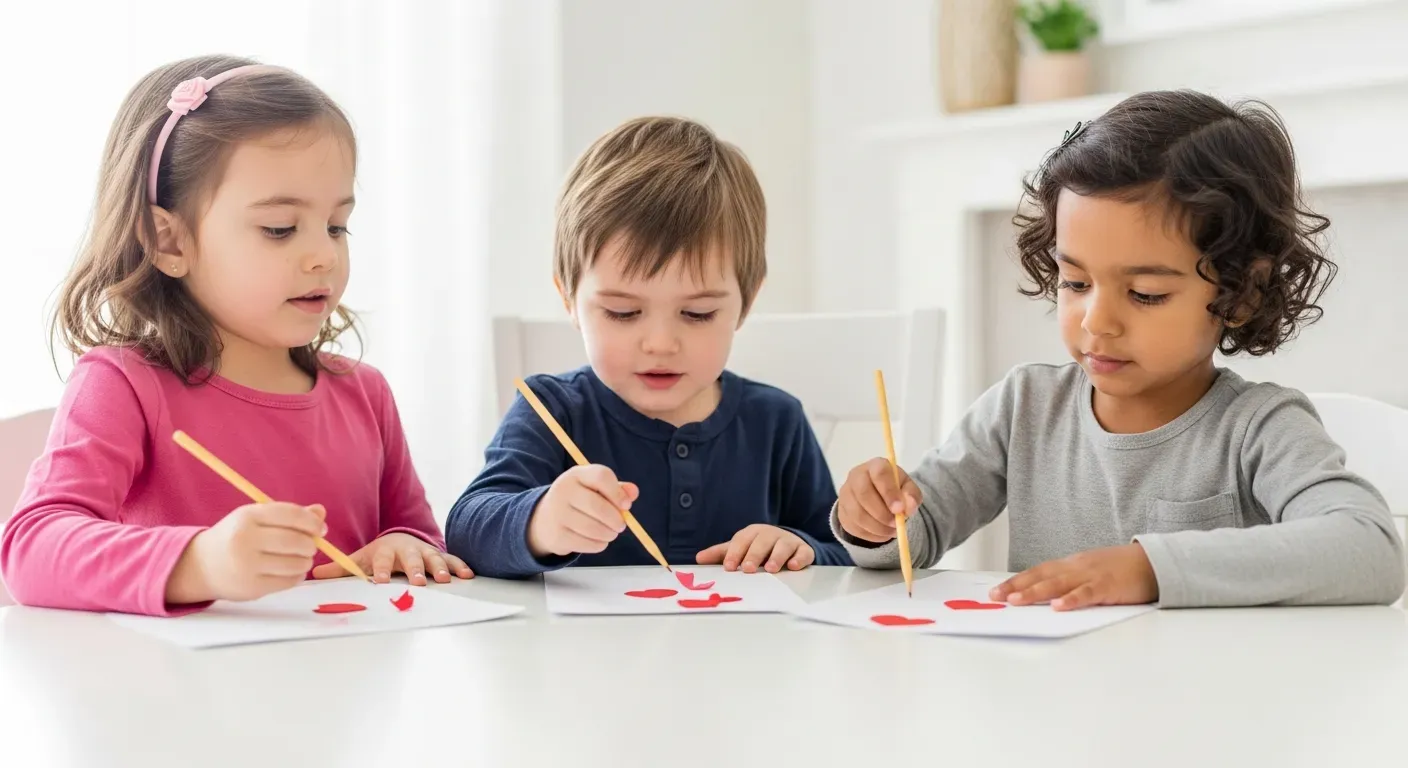
Table of Contents
- Introduction
- The Magic of Handmade: More Than Just a Gift
- Crafting for Communication: Boosting Speech Development
- Our Favorite Christmas Crafts for Kids (with a Speech Boost!)
- Adding Speech Blubs to Your Crafting Fun
- When to Consider a Little Extra Help
- Ready to Help Your Child Find Their Voice? Meet Speech Blubs!
- Conclusion
- Frequently Asked Questions
As Christmas gets closer, many of us are looking for the perfect gifts to show our love. In a world full of store-bought things, there's something extra special about a handmade gift. It's more than just an item; it's a piece of someone's time, love, and care that you just can't get in a store. This Christmas, imagine how happy Grandma would be to get a hand-painted ornament from her grandchild, or how much a teacher would love a special bookmark made just for them.
This isn't just about finding cute craft ideas; it's about using crafts to help your child grow, especially when it comes to talking. We believe every child should be able to share their thoughts and feelings, and doing crafts like these Christmas gifts is a fun and natural way to help their language skills grow. We'll share some fun Christmas crafts that kids of all ages can make, and we'll show you how each one can help them with their speech and language. Through these fun activities, kids will not only be creative, but they'll also become more confident talkers. We at Speech Blubs are here to help, and our app was even created by parents who know what it's like to deal with speech challenges.

Introduction
The holidays can feel like a rush of shopping lists, busy stores, and trying to find the "perfect" gift. But what if the best gifts are the ones we make? Think about when you were a kid, or a gift you got that wasn't fancy or expensive, but meant a lot because it was handmade. Those simple gifts are full of love, thought, and effort. They're a reminder of how much someone cares.
This blog post will show you some wonderful Christmas crafts for kids. These aren't just about giving gifts, they're a great way to help your child learn and grow. Crafting can help with things like fine motor skills, thinking skills, and especially talking and language skills. We'll show you some fun projects for kids of different ages, and we'll tell you how to turn each step into a fun speech therapy activity, all while making special keepsakes. Our goal is to inspire you to have fun crafting with your kids, turning simple things into heartfelt gifts and learning opportunities. We want you to know that making gifts together isn't just about making memories, it's also a fun and powerful way to help your child develop important communication skills. That's something we at Speech Blubs are dedicated to supporting with our special, science-backed approach.
The Magic of Handmade: More Than Just a Gift
There's something really special about a gift made with love by little hands. These aren't just things; they're a way for kids to show their personality, creativity, and how much they care. When a child proudly gives a handmade ornament or card, they're sharing a piece of themselves, which helps them feel confident and loved. But there's more to it than just the good feelings of giving and getting.
More Than Just Fun: How Crafts Help Kids Grow
Doing crafts with kids is like opening a treasure chest of learning:
- Fine Motor Skills:All the little things you do when crafting—cutting, gluing, painting, kneading, threading—are great for helping kids get better at using their hands. These skills are important for things like writing, getting dressed, and taking care of themselves.
- Thinking Skills:Crafting is a fun way to help kids learn to solve problems. They learn to follow instructions, plan what they want to make, and change things if they don't go as planned. They also learn about shapes, colors, and how things fit together.
- Emotional Growth:When kids finish a craft, they feel proud and happy. They learn to be patient while they wait for glue to dry or paint to set, and they learn to keep trying even when things are hard. Making something for someone else teaches them to care about others and be generous, and it shows them how good it feels to give.
- Creativity and Imagination:Crafts are like a blank page for kids' imaginations. They learn to think outside the box, try different things, and show their own unique style. This creative outlet is important for them to express themselves in a healthy way.
- Language and Communication:One of the most important things about crafting is how much it helps kids with their talking and language skills. As kids work with different materials, they naturally talk about what they're doing, seeing, and feeling. This is a great way for them to learn new words, practice saying them clearly, and learn how to tell stories.
At Speech Blubs, we believe that learning should be fun and part of everyday life. Our goal, which came from our own struggles with speech, is to help kids share their thoughts and feelings. We know kids learn best when they're having fun, and crafting is the perfect way to do that. It's a "smart screen time" alternative to just watching TV, and it helps kids connect with others and learn.

Crafting for Communication: Boosting Speech Development
Imagine turning a simple craft session into a fun speech therapy activity. When your child is making a sparkly card, they're not just making art; they're also learning how to communicate. Every step of the craft is a chance to teach new words, practice old ones, and work on different parts of language.
How Crafts Help with Talking:
- Describing What You're Using:As you get out the craft supplies, you can teach your child lots of new words. "Look at thissparklyglitter! Do you want theredpaper or thebluepaper? This glue is sosticky!"
- Talking About What You're Doing:Encourage your child to talk about what they're doing. "I'mcuttingthe paper," "You'repaintingthe tree," "We'regluingthe stars." This helps them learn verbs and how to make sentences.
- Choosing and Asking for Things:"Do you wantmoreglue? What color should we usenext?" These questions help your child learn to ask for things and say what they want.
- Following Instructions:Crafting often has many steps, which is great for practicing following directions: "First, put glue on the paper. Then, sprinkle the glitter."
- Sharing Feelings and Ideas:"This is sofun!" "Oops, I made amistake!" "What if we try itthis way?" Children learn to talk about their feelings, how they solve problems, and their creative ideas.
- Using Location Words:"Put the staronthe tree," "The paint isunderthe paper," "The brush isinthe cup."
Think about making a salt dough ornament. Your child is feeling the "squishy" dough, "rolling" it with a pin, and cutting out a "star shape." They're practicing words like 'squishy,' 'roll,' 'cut,' 'star,' 'bake.' Later, you can use our "Colors & Shapes" or "Actions" sections in the Speech Blubs app to practice those same words and sounds. Going from a hands-on activity to a digital activity helps them learn even better. For a parent whose 3-year-old "late talker" loves animals, making a pinecone animal and describing its parts—"pointy," "fluffy," "beady eyes"—can lead to our "Animal Kingdom" section, where they copy other kids making animal sounds and saying animal names like "fox" or "owl," which helps them remember those new words.
At Speech Blubs, we use a special method called "video modeling," where kids learn by watching and copying other kids, just like they would watch and copy you during a craft session. This natural way of learning is what makes our app so great. It's a fun and easy way to help the 1 in 4 children who need a little extra help with their speech. We encourage families to connect and play together, turning screen time into a fun and helpful learning experience that goes hand-in-hand with what they learn while crafting.
Our Favorite Christmas Crafts for Kids (with a Speech Boost!)
Here are some fun Christmas craft ideas that are great for gifts and also give your child a chance to work on their talking skills.
Simple & Sweet: Crafts for Little Ones (Ages 2-4)
These crafts are all about exploring with their senses, doing simple actions, and learning basic words.
Handprint/Footprint Ornaments or Cards
- What You'll Need:Salt dough, air-dry clay, paint, cardstock, glitter (optional), ribbon.
- How to Make:Have your child press their hand or foot into salt dough or clay. Bake it or let it air dry, then paint it. You can also paint their hand or foot and press it onto cardstock to make a special card.
- How It Helps with Speech:
- New Words:"Hand," "foot," "cold," "squishy," "paint," "press," "print," "my hand," "your foot," "decorate."
- Actions:"Press," "paint," "dry," "hold."
- Following Directions:"Press your hand down," "Paint the green part."
- Sensory Words:"Sticky," "smooth," "cold," "wet."
- Speech Blubs Connection:After painting, use the "Body Parts" section in Speech Blubs to practice the names of body parts. For actions like 'press' or 'paint,' check out our "Actions" section where kids copy other kids doing different movements.
Fingerprint Christmas Cards
- What You'll Need:Cardstock, washable paint (red, green, brown), fine-tip markers.
- How to Make:Fold the cardstock. Dip your child's fingertips into different colors of paint to make designs. Use green fingerprints for a Christmas tree, red for berries, brown for reindeer faces, etc. Add details with markers once the paint is dry.
- How It Helps with Speech:
- New Words:"Finger," "dot," "red," "green," "tree," "berry," "card," "thumb."
- Concepts:"Big/small dot," "many/few dots."
- Saying Sounds Clearly:Practice saying the 'd' sound in "dot," and the 'f' sound in "finger."
- Speech Blubs Connection:Learn "Colors & Shapes." Practice the "dot" and "finger" sounds, and use describing words for the pictures they make, with our fun features.
Creative & Fun: For Preschoolers & Young Kids (Ages 4-7)
These projects have more steps and encourage kids to be more creative, but they're still easy to do.
Salt Dough Ornaments
- What You'll Need:1 cup flour, 1/2 cup salt, 1/2 cup water (add more if needed), cookie cutters, paint, glitter, varnish, ribbon.
- How to Make:Mix the flour, salt, and water to make dough. Roll it out and use cookie cutters to cut out shapes. Make a hole for hanging. Bake at 250°F (120°C) until it's hard (2-3 hours). Once it's cool, paint it and decorate it.
- How It Helps with Speech:
- New Words:"Flour," "salt," "dough," "mix," "roll," "cut," "shape" (star, heart, circle), "bake," "cool," "paint," "shiny," "sparkle," "string," "hang."
- Putting Things in Order:"First, we mix. Next, we roll. Then, we cut."
- Describing Things:"The dough issoft," "The ornament isround," "The paint isbright."
- Speech Blubs Connection:Practice kitchen words and putting things in order with our "Cooking Fun" section. Learn describing words with categories that help kids use more adjectives.
Pinecone Animals or Ornaments
- What You'll Need:Pinecones, googly eyes, felt, pom-poms, pipe cleaners, glue, string.
- How to Make:Collect pinecones. Turn them into animals (like an owl with felt wings and googly eyes, or a fox with a pom-pom nose and pipe cleaner ears) or just decorate them with glitter and pom-poms to make Christmas ornaments.
- How It Helps with Speech:
- New Words:"Pinecone," "spiky," "soft," "owl," "fox," "eyes," "nose," "ears," "glue," "stick," "decorate," "fluffy."
- Location Words:"Put the eyesonthe pinecone," "The wings areunder."
- Using Your Imagination:"What does the fox say?" "Where does the owl live?"
- Speech Blubs Connection:The "Animal Kingdom" section is great for practicing animal names, sounds, and actions, which connects to the animals they made with pinecones. You can also describe the animals they made using our app's "Describing" categories.
Personalized Bookmarks
- What You'll Need:Cardstock, markers, crayons, stickers, glitter, laminating sheets (optional).
- How to Make:Cut the cardstock into bookmark shapes. Kids can draw pictures, write their name, or add stickers. Laminate them to make them last longer, and punch a hole at the top for a tassel.
- How It Helps with Speech:
- New Words:"Bookmark," "read," "book," "draw," "write," "name," "favorite," "picture," "tassel," "story."
- Telling Stories:"This bookmark is for Grandma. She loves to read."
- Sharing Thoughts:"I drew my favorite animal on it."
- Speech Blubs Connection:Encourage storytelling using our "Storytelling" activities, connecting the idea of reading a book with their special bookmark. Practice writing names and learning letters with our pre-reading activities.
Thoughtful & Skill-Building: Crafts for Older Kids (Ages 7+)
These crafts are more detailed and need more planning, which is great for practicing more advanced skills.
Layered Jar Gifts (Cookie Mix, Hot Chocolate Mix)
- What You'll Need:Mason jars, dry ingredients (flour, sugar, chocolate chips, cocoa powder, oats, etc.), festive fabric, ribbon, gift tags, recipe cards.
- How to Make:Put the dry ingredients in the mason jar in layers. Attach a recipe card with instructions and a festive fabric topper with ribbon.
- How It Helps with Speech:
- New Words:"Layer," "pour," "measure," "flour," "sugar," "chocolate," "mix," "recipe," "jar," "sweet."
- Putting Things in Order:Explaining the order of ingredients, reading and following the recipe. "First the flour, then the sugar, finally the chocolate chips."
- Describing Things:"The cookies will besoftandchewy."
- Speech Blubs Connection:Practice putting things in order and learn kitchen words with our "Cooking Fun" section. Encourage them to describe the tastes and textures, and practice storytelling by explaining how they made the gift.
Painted Rocks or Coasters
- What You'll Need:Smooth rocks or ceramic tiles (for coasters), acrylic paints, paintbrushes, clear sealant spray.
- How to Make:Clean the rocks or tiles. Kids can paint designs, mandalas, inspirational words, or Christmas scenes. Once they're dry, spray them with clear sealant to protect the artwork.
- How It Helps with Speech:
- New Words:"Smooth," "rough," "paint," "brush," "design," "colors," "pattern," "shiny" (after sealant), "art," "gift."
- Location Concepts:"Paintinthe middle," "Draw a linearound."
- Saying Sounds Clearly:Practice the 's' sounds in "smooth," 'sh' in "shiny," and 'r' in "rock."
- Speech Blubs Connection:Focus on using describing words for the artwork, colors, and textures. Our app's "Sounds" activities can help them practice saying certain consonant sounds clearly.
Adding Speech Blubs to Your Crafting Fun
The great thing about Speech Blubs is that it can easily be used with other activities in your child's life, like crafting. We believe in "smart screen time," where kids are actively learning and growing.
Here's how you can use Speech Blubs with your crafting:
- Practice New Words:After making a sparkly ornament, open Speech Blubs to our "Colors & Shapes" section. Practice saying "shiny" or "red" with the videos, which helps them remember the new word in a fun way. Our special video method, where kids copy real kids, makes learning fun and effective.
- Learn New Ideas:Talk about how it feels to give and receive handmade gifts – pride, happiness, love. Then, use our "Feelings" section in Speech Blubs to help your child learn and talk about those emotions, which will help them learn more emotional words.
- Tell Stories:While making a gift, talk about who will get it and what they might say. "Grandma will be so happy when she gets this bookmark!" After the craft is done, use our "Storytelling" activities to help your child tell a story about making and giving their special gift.
- Practice Specific Sounds:If your child is working on a certain sound, like 's' for "star" or 'g' for "glue," you can use those words while you're crafting and then use Speech Blubs to practice those sounds in words and by themselves.
Our company was started by people who had speech problems when they were kids, so they made the tool they wish they had. We're dedicated to helping families connect, using science and play to make learning fun. That's why Speech Blubs is a great partner for your family's crafting adventures. It's a better way to use screens, turning screen time into a fun and helpful learning experience. For parents who are helping their child with speech, we offer a fun and easy solution that really works.
When to Consider a Little Extra Help
While crafting is great for helping kids with their speech, sometimes they need a little more help. It's normal for parents to wonder if their child is on track, especially when it comes to talking. Getting help early can make a big difference, so it's important to understand what your child needs.
If you're not sure if your child could use some extra help with their speech, we have a quick tool for you to use. Take our3-minute quiz. It only has 9 easy questions, and it will give you an idea of what your child needs and what to do next. This can help you feel better and guide you to the right resources.
Our method at Speech Blubs is not only based on fun, but also on research. We're proud of our science-based approach, which has made us one of the top speech apps in the world. You can learn more about the science behind our "video modeling" method and how we're committed to using proven methods on ourresearch page. Our app is a great addition to your child's learning plan and can be used with professional therapy to help them practice their communication skills in a fun and consistent way.
Ready to Help Your Child Find Their Voice? Meet Speech Blubs!
At Speech Blubs, we want to help children share their thoughts and feelings, love to communicate, and feel confident. We believe every child should be able to express themselves, and we're here to help the 1 in 4 children who need extra speech support in a fun and effective way. Our app uses "video modeling," which turns screen time into a fun and interactive learning experience that kids love.
We have different plans to fit your family's needs, but we recommend our Yearly plan for the best value and special benefits:
- Monthly Plan:Costs$14.99 per month.
- Yearly Plan:A great deal at just$59.99 per year, which is only$4.99 per month. That's66% offthe monthly plan!
The Yearly plan is more than just saving money; it gives you a lot of extras to help your child succeed:
- 7-Day Free Trial:Only with the Yearly plan, so you can try it out before you commit.
- The Extra Reading Blubs App:Get our other app, Reading Blubs, which helps kids learn to read.
- First to See New Things:Be the first to try out new features and content.
- Help When You Need It:We'll get back to you within 24 hours if you need help.
The Monthly plan doesn't have these extras, which makes the Yearly plan the best choice for families who are serious about helping their child's communication skills. We've seen so many kids grow and feel confident with our app. See what other parents are saying about how Speech Blubs has helped their child by visiting ourtestimonials page.
Ready to help your child reach their full potential and make screen time fun and helpful?
Download Speech Blubs on the App Store
Get Speech Blubs on Google Play
Or, sign up and start your 7-day free trial with the Yearly plan here:Start Your Free Trial Today!
Conclusion
This Christmas, let's enjoy being creative. Christmas crafts for kids are a great way to slow down, connect with our children, and help them grow in so many ways. Besides the fun gifts they make, these activities are great for helping them with fine motor skills, creativity, confidence, and especially their speech and language skills. Every cut, every brushstroke, and every word they say while crafting helps them communicate better.
At Speech Blubs, we're happy to be a part of this. Our app is a fun and effective way to help your child learn new words, practice sounds, and feel confident about talking. By combining hands-on crafting with our fun and interactive "smart screen time," you're giving your child a great way to learn and grow.
Don't wait to give the gift of communication this Christmas. Start making memories and learning new skills today. Take the next step to help your child find their voice by joining the Speech Blubs family. We recommend our Yearly plan to get all the features and benefits, including a 7-day free trial!
Download Speech Blubs on the App Store
Get Speech Blubs on Google Play
Or, sign up and start your 7-day free trial with the Yearly plan on our website:Start Your Free Trial with Speech Blubs!
Frequently Asked Questions
Q1: What ages are these Christmas crafts for?
The crafts we've listed are great for kids of all ages, from toddlers (2-4 years old) to older kids (7+ years old). We've divided them into sections based on how difficult they are and how much they help with fine motor skills. For toddlers, simple things like handprint ornaments or fingerprint cards are perfect, since they focus on exploring with their senses and learning basic words. For preschoolers and young school-agers, projects like salt dough ornaments or pinecone animals have more steps and let them be more creative. Older kids can do more detailed crafts like layered jar gifts or painted coasters, which need more planning and precision. Just remember to always help your child and adjust the crafts to fit their abilities and interests.
Q2: How can crafting really help my child's speech and language?
Crafting is a fun and natural way to help kids develop their language skills because they're actively involved and talking. Here's how it works:
- Learning New Words:Kids learn new words by describing what they're using ("sticky glue," "sparkly glitter"), colors, shapes, and textures.
- Learning Action Words and Making Sentences:They practice verbs by talking about what they're doing ("I am cutting," "You are painting") and making simple sentences.
- Following Directions:Crafts with many steps help kids listen to and follow instructions, which improves their understanding.
- Asking Questions and Requesting Things:Kids naturally ask questions ("Where is the red paint?") and ask for things ("More glue, please!"), which helps them communicate.
- Telling Stories:Talking about who the gift is for and what they will say or do encourages them to tell stories and use their imagination.
- Practicing Sounds:Focusing on certain words while crafting can give them a chance to practice sounds they're working on.
Q3: What if my child doesn't like crafting?
It's normal for kids to have different interests. If your child doesn't seem interested in crafting, try these things:
- Follow What They Like:If they love dinosaurs, find a craft that involves dinosaurs, even if it's a Christmas dinosaur ornament!
- Keep it Short:Don't make them do it for too long. Even 5-10 minutes can be helpful.
- Focus on Having Fun, Not Making Something Perfect:Emphasize the fun of trying new things and being creative, instead of trying to make something perfect.
- Do it Together:Join in and do it with them. Kids often copy what their parents are excited about.
- Add Play:Combine crafting with using their imagination, like saying, "Let's make a house for this pinecone animal!"
- Let Them Choose:Let them pick the materials, colors, or which part of the craft to do first, so they feel like they're in charge.
Q4: How does Speech Blubs help with these activities?
Speech Blubs works perfectly with activities like crafting because it helps them practice and learn language in a fun digital way. While they're crafting, they're in a real-world situation where they're communicating. Then, Speech Blubs acts as a "smart screen time" tool that:
- Helps Them Remember New Words:Words they learn while crafting (like "shiny," "sticky," "star") can be practiced in our app's different sections (like "Colors & Shapes," "Describing").
- Gives Them Specific Practice:If your child needs to work on certain sounds, the app has activities where they can copy other kids, which helps them say their sounds clearly.
- Teaches New Ideas:The app's sections on "Feelings," "Actions," and "Storytelling" can help them learn more about the emotions and stories behind giving and receiving gifts.
- Offers a Different Way to Learn:Some kids learn best by doing things, while others learn best by seeing and hearing through our videos. Combining both ways helps them learn in a complete and effective way, and helps them share their thoughts and feelings.
Sobre el autor