
01
Golden Gate Regional Center Early Start
Ask GGRC about assessment for an infant or toddler with developmental concerns. The Early Start program serves San Francisco, Marin and San Mateo counties. A team assesses eligibility.
Provider informationLocal guide · Lower Pacific Heights, San Francisco
For a book visit in Lower Pacific Heights, use Western Addition Branch on Scott Street. Its collections include Japanese and Russian materials for children and adults.
Local support
An evaluation checks your child’s speech and language skills. These contacts can explain how to ask for one.
Ask GGRC about assessment for an infant or toddler with developmental concerns. The Early Start program serves San Francisco, Marin and San Mateo counties. A team assesses eligibility.
Provider informationSFUSD publishes a preschool intake packet for requesting a special education assessment. Use the district’s age-appropriate assessment route and confirm residency. Speech-language services depend on assessment and eligibility.
Provider informationThe university clinic offers children’s speech-language screening, evaluation and therapy through supervised graduate clinicians. The clinic is at Burk Hall on SF State’s San Francisco campus. Services are by appointment during academic semesters; apply through its official page and ask about current openings or the waitlist.
Provider informationThese services are independent of Speech Blubs. Contact them to confirm how to request an evaluation, who they serve and current availability.
Speech Blubs
Choose an age to open the Speech Blubs quiz.
The quiz opens in English.
Speech Blubs
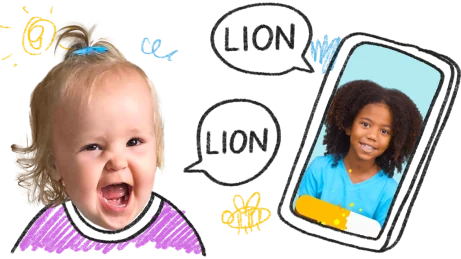
In Speech Blubs, children watch other children say words and make sounds. Join in, pause and give your child time to respond. Ask your child’s speech therapist which activities fit their needs.
Start the quizThe quiz opens in English.
San Francisco
A walk, a book or a snack can give you a reason to talk together. Follow what interests your child.
These places are examples from across the city. Check their addresses before planning a visit from your neighborhood.
01 / Koret Children’s Quarter
City option
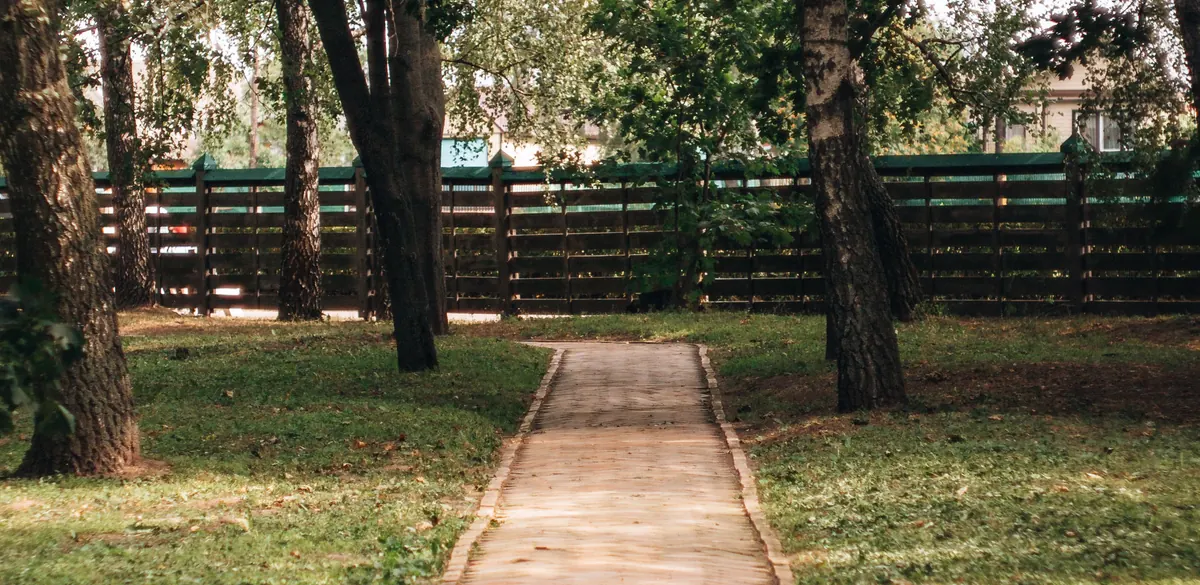
Koret Children’s Quarter is a city playground option in Golden Gate Park’s southeast corner. Check current access before planning a separate trip.
Name something your child notices with a short phrase, such as “big tree.” Pause for their response.
02 / Western Addition Branch
In this area
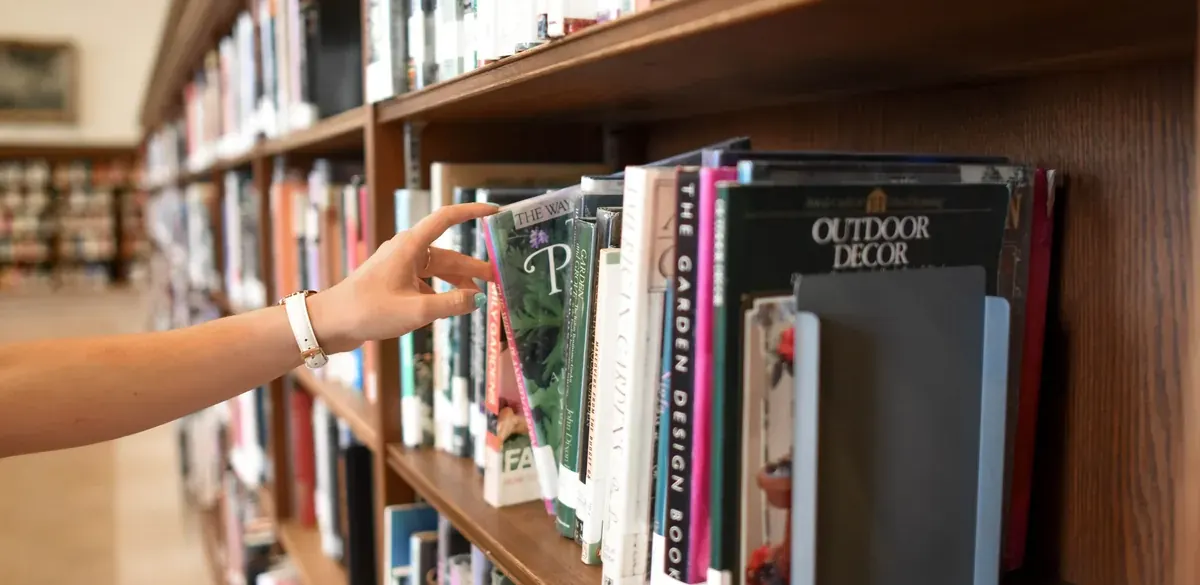
Western Addition Branch is at 1550 Scott Street. It has an extensive Japanese-language collection for children, teens and adults. It also lists Russian-language materials for children and adults. Ask staff for a children’s book, since the language collection covers several age groups and formats. 1550 Scott Street, San Francisco
A familiar language can make it easier for you to respond naturally to your child. You can talk about the pictures in Japanese, Russian, English or another language you use together. One short description followed by a pause gives your child a turn.
03 / The app
Show two familiar toys or foods and name them. Give your child time to respond with a look, a gesture, a sound or a word.
Lower Pacific Heights, San Francisco
Start with the local contacts above. Your child’s age and home address can help identify the appropriate service. Ask how to request an evaluation and what information to provide.
If your child attends an SFUSD public school, ask the school principal about requesting a special education assessment. For children ages 3–5, check SFUSD’s preschool intake route. If your child attends a private or parochial school, confirm the assessment route with the district where that school is located. A neighborhood name alone does not establish district assignment or eligibility.
Speech Blubs provides activities for practice at home with a caregiver. Local professionals provide evaluations and individual care. Ask your child’s therapist which home activities fit their goals.
Speech Blubs’ official FAQ currently lists English (American and British), German, Spanish, French, Italian, Portuguese, Czech, Swedish, Polish, Hebrew, Hungarian, Lithuanian and Romanian. Check the current language information and choose what fits your family before subscribing.
The park and library cards on this page suggest specific places to visit together. Check their linked official pages for current hours, access and events before you travel. If a destination is outside your neighborhood, plan the trip and confirm the entrance you want to use.
Speech Blubs is a subscription app. Check the current price, available trial and renewal terms directly in the quiz or your app store before subscribing.
Lower Pacific Heights, San Francisco
Western Addition Branch is at 1550 Scott Street. It has an extensive Japanese-language collection for children, teens and adults. It also lists Russian-language materials for children and adults. Ask staff for a children’s book, since the language collection covers several age groups and formats.
The branch keeps a Black Interest collection and neighborhood photographs from the Shades of San Francisco project. Its current calendar includes toddler storytime. You can choose a simple book visit or check a specific children’s event; the historical collections are separate resources.
A familiar language can make it easier for you to respond naturally to your child. You can talk about the pictures in Japanese, Russian, English or another language you use together. One short description followed by a pause gives your child a turn.
If your child wants to look at the same picture again, follow that interest. You can repeat the words you used before, or let them show you a different detail.
If you are worried about your child’s speech, use the San Francisco contacts above. Ask which assessment route fits your child’s age and home address. You can bring examples of communication at home. Speech Blubs offers home practice alongside everyday conversation; a professional can assess your child’s needs.